Welcome to the DITF press portal. Here you will find press releases, press photos and logos for download in print quality as well as the contact details of your contact persons.
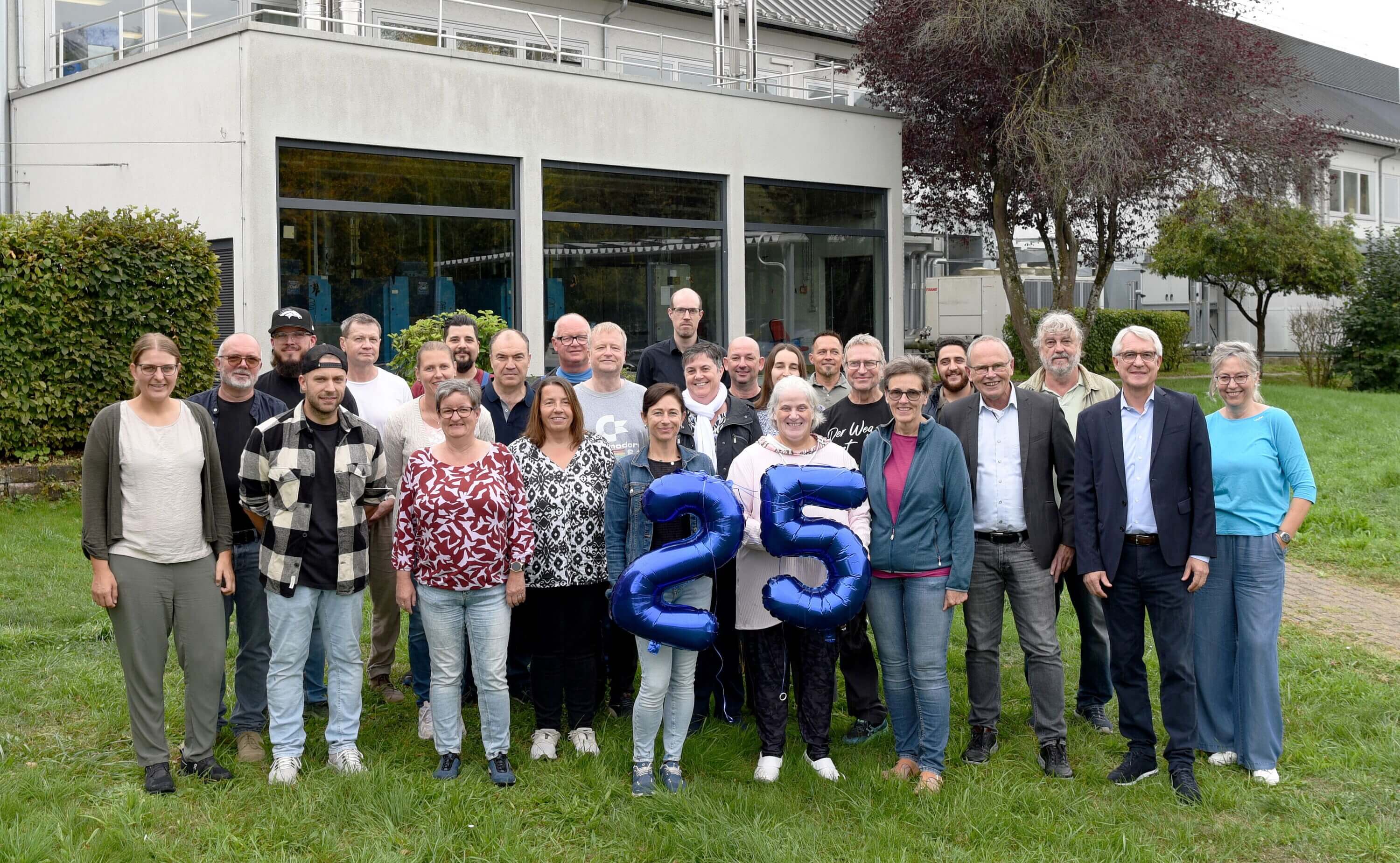
ITV Denkendorf Produktservice GmbH (ITVP) is celebrating its 25th anniversary. On October 1, 2001, ITVP was founded as a subsidiary of the German Institutes of Textile and Fiber Research Denkendorf (DITF), Europe’s largest textile research center.
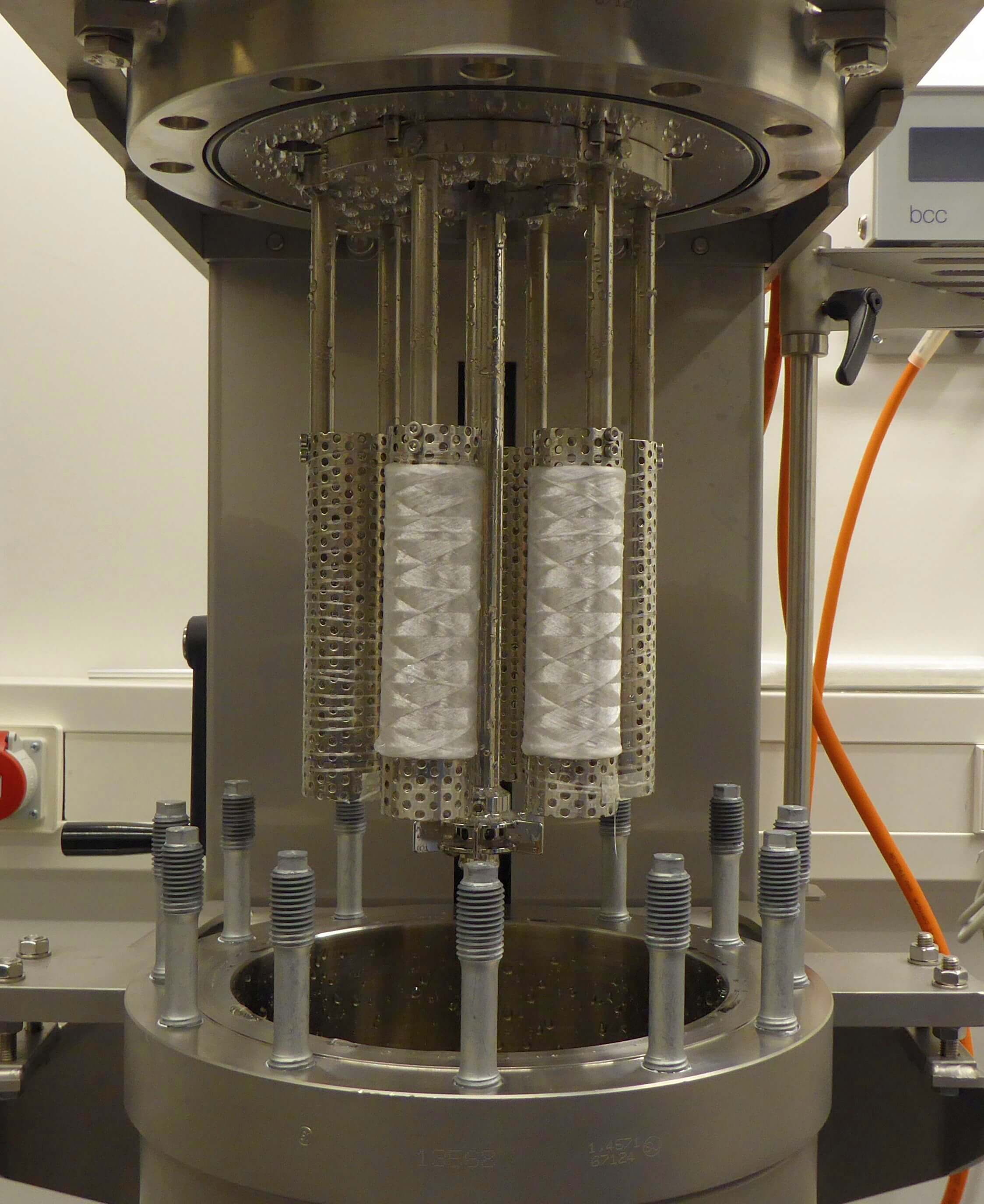
Economically feasible service life projections for technical textiles thanks to short laboratory tests: DITF have developed methods using high-pressure autoclaves.
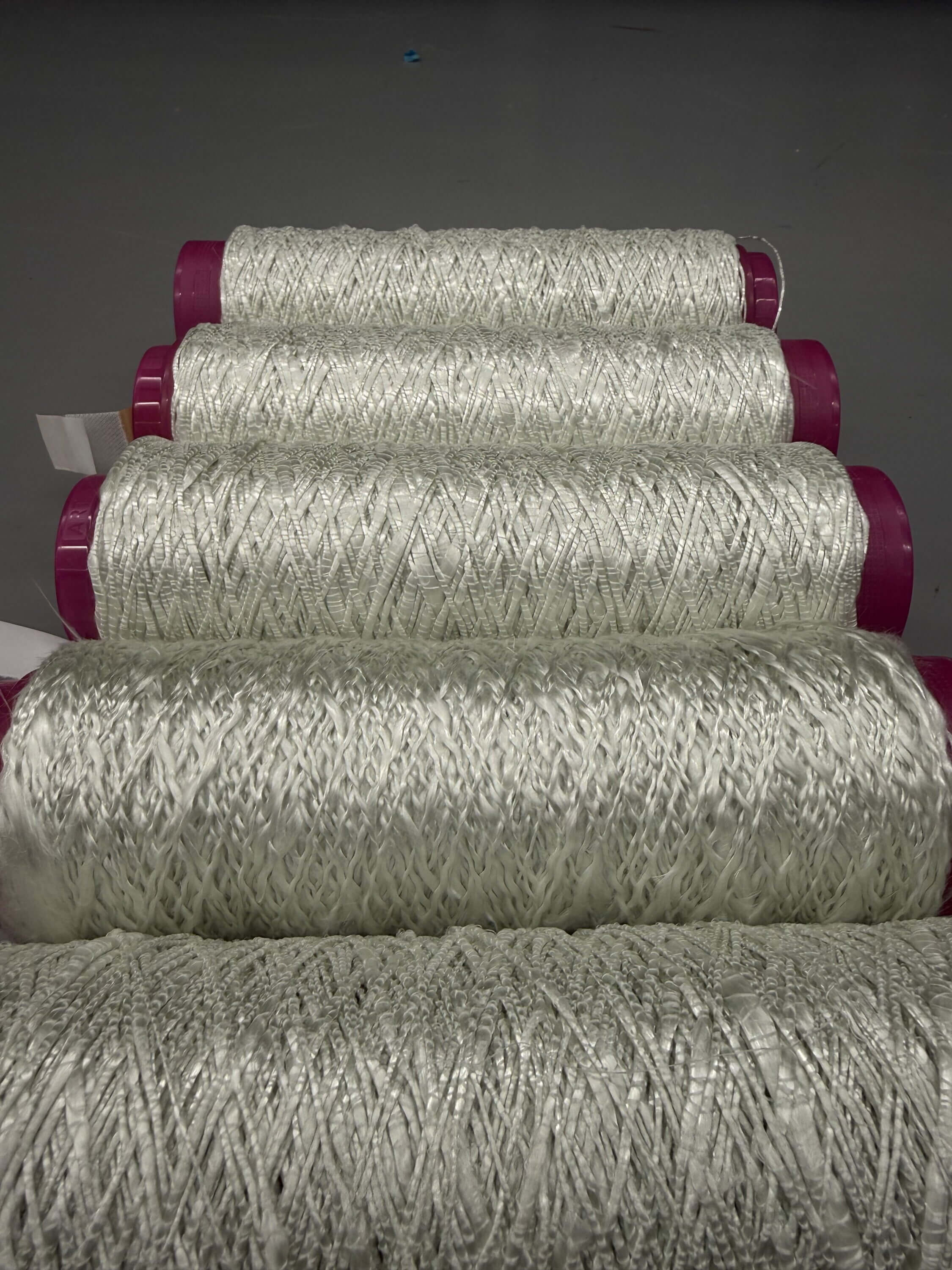
The EU-funded REWIND research project focuses on composite waste in the wind energy sector. DITF are developing yarns and fabrics for new components from the glass and carbon fibers recycled by the project partners.
Self-actuating textile structures are used in a wide range of applications, such as medical technology, automation, architecture, agriculture, and the apparel industry. The DITF are developing textiles based on shape-memory polymers with reversibly controllable geometry
The DITF are coordinating the EU-funded project to promote sustainable textile production in Europe. The goal is to create a network that develops technologies and jointly utilizes existing infrastructure - from design and production to customer service and recycling.
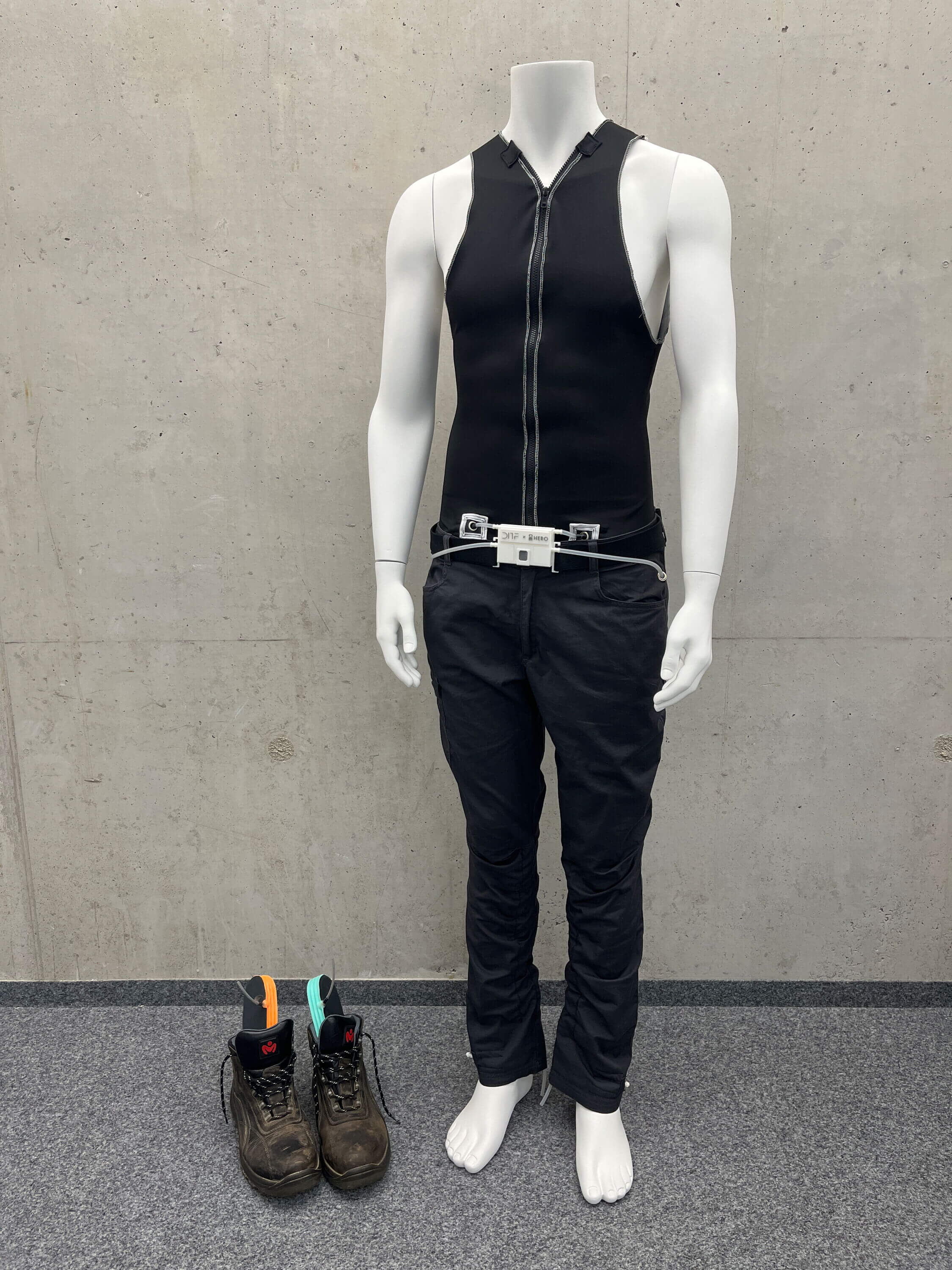
Cooling with every step: DITF researchers have been developing flow-optimized, air-conducting textile structures that enable targeted climate control directly on the body—for example, through a compressible insole that generates compressed air from the motion of walking.
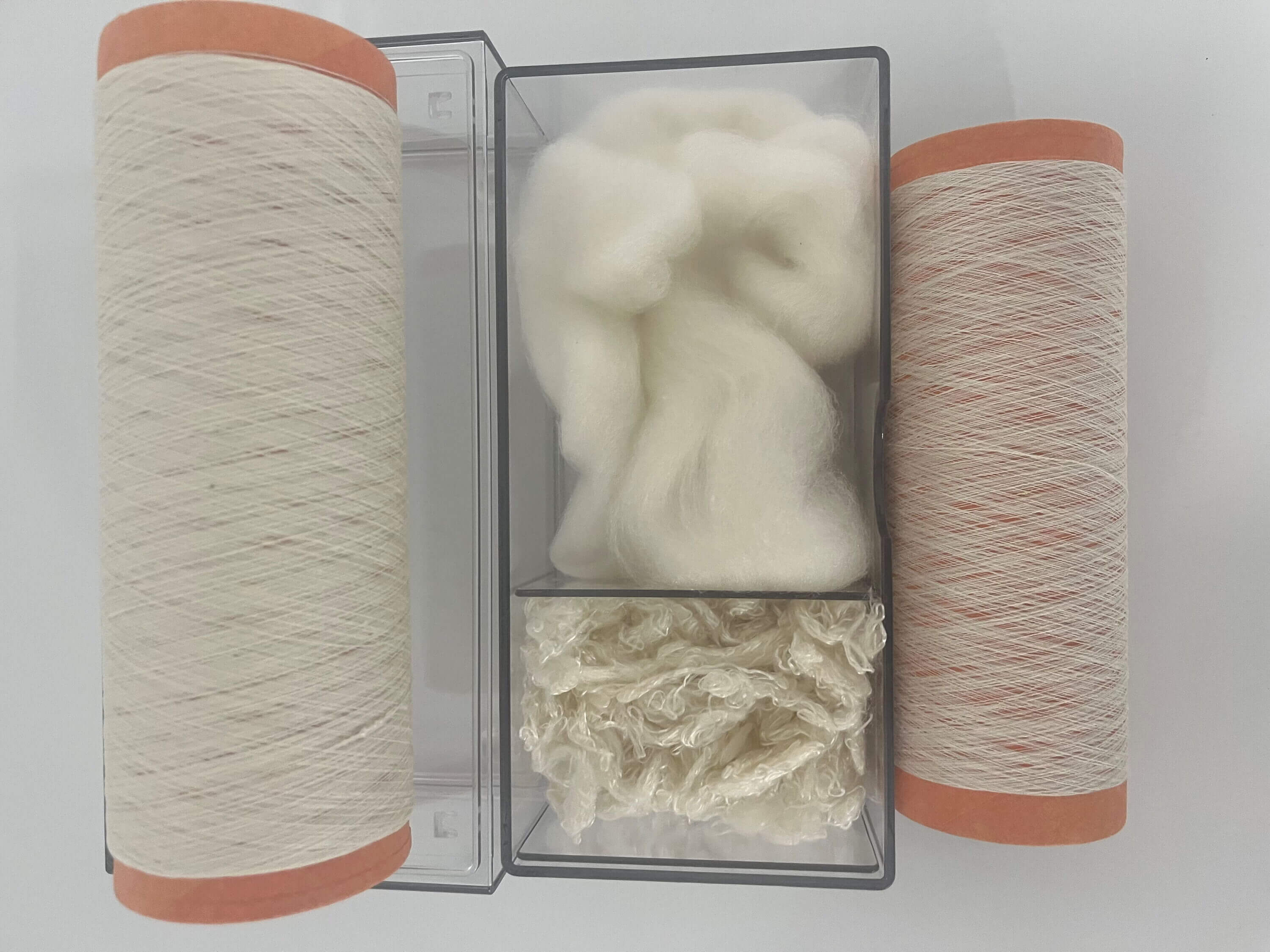
Using the HighPerCell® process, patented by DITF, high-quality textile yarns for the apparel industry are produced from continuous cellulose filaments. The process features a closed-loop recycling system and a low carbon footprint during production.
NUO Flexholz and FormLig, a material coated with lignin, demonstrate that sustainable concepts can meet high standards of functionality and design. Both award-winning projects were carried out in close collaboration with industry.
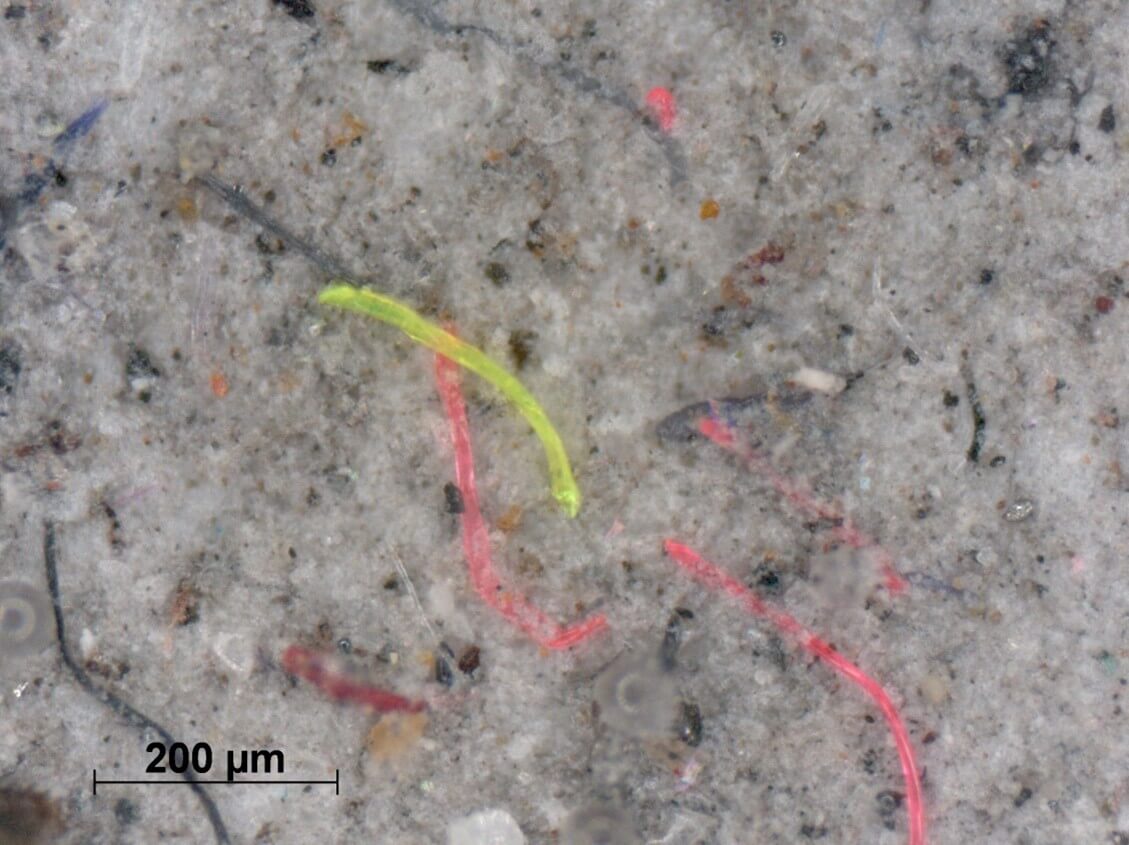
The high microplastic separation efficiency and the long service life of the filter medium make textile-based filter cascades a promising solution for wastewater treatment. In their study, the DITF demonstrated that these systems make a significant contribution to reducing microplastic pollution from the wash and rinse water of industrial laundries.
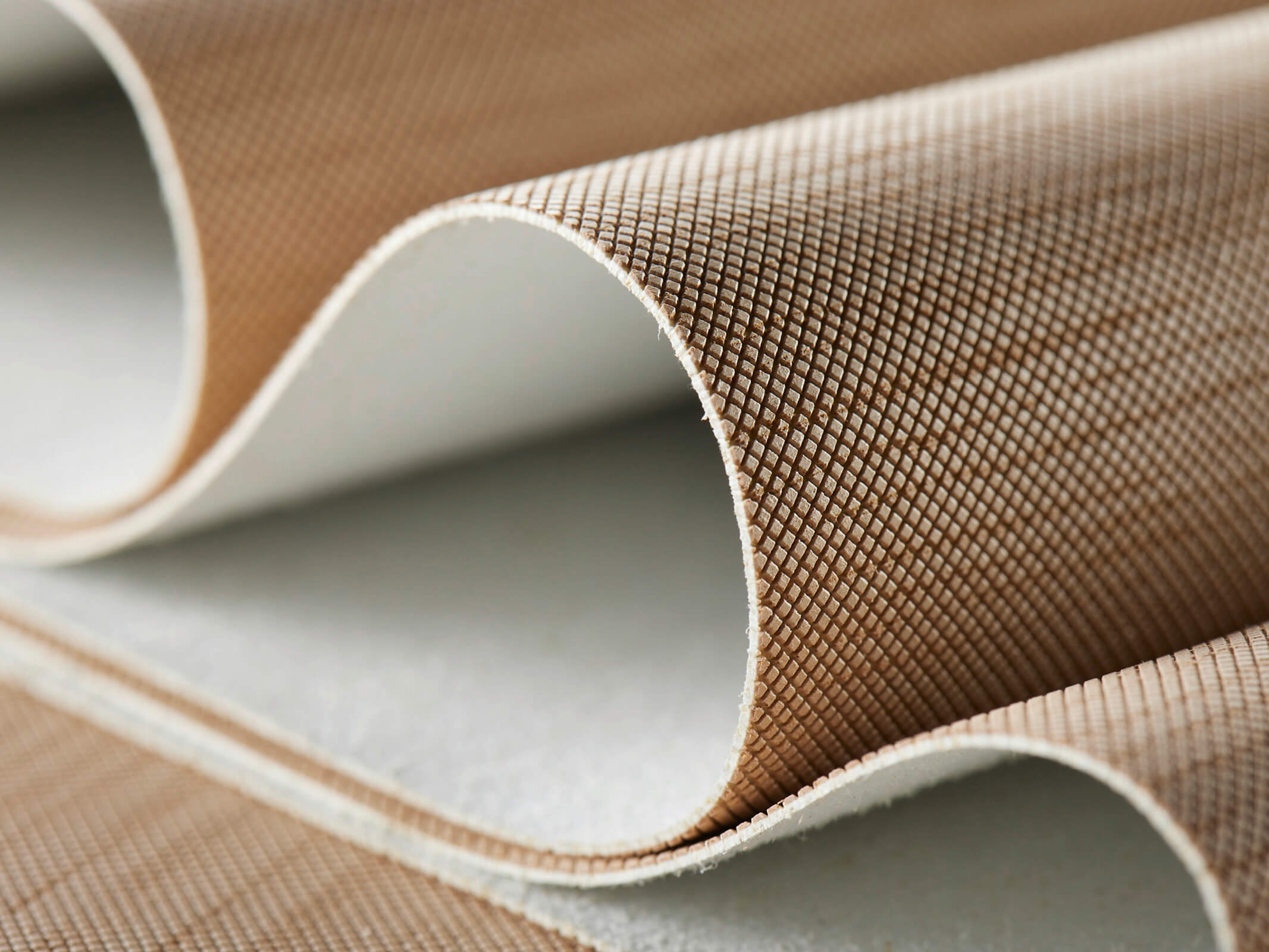
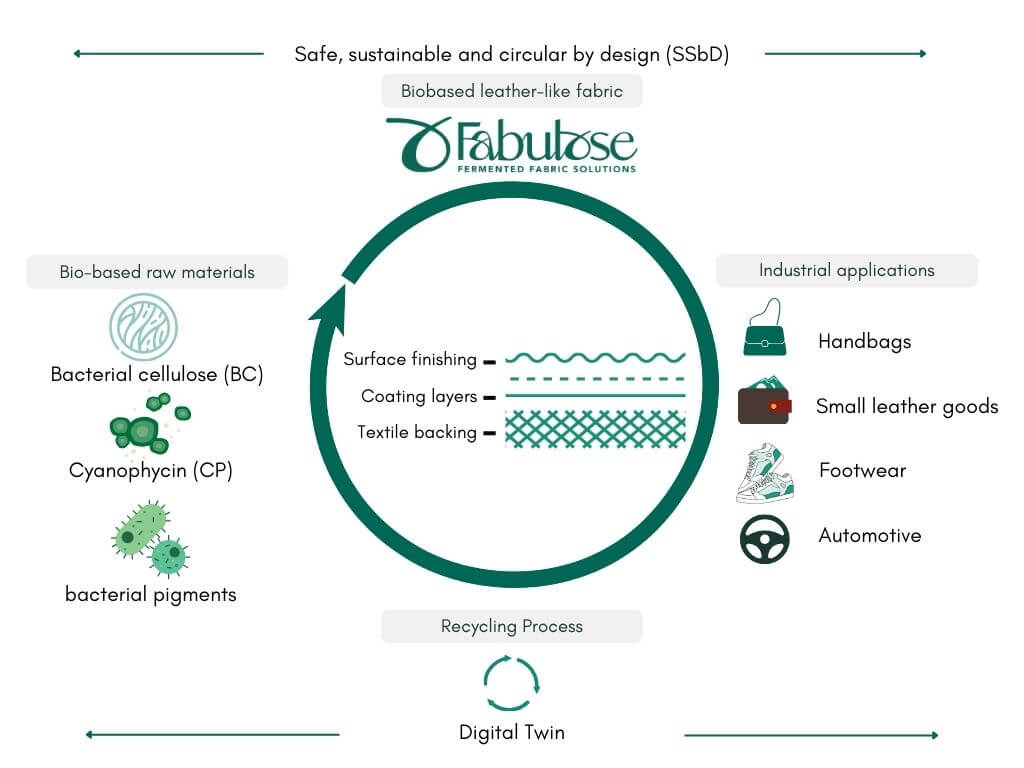
How can high-performance, bio-based, and recyclable leather-like materials be produced? The EU project coordinated by DITF uses efficient biotech production routes for bacterial cellulose, cyanophycin, and bacterial pigments.