DITF are developing Bio-Based Binding Fibers for Wood Fiber Insulation Materials

Downloads


CONTACT

Head of Competence Center Biopolymer Materials

Deputy Head of Competence Center Biopolymeric Materials
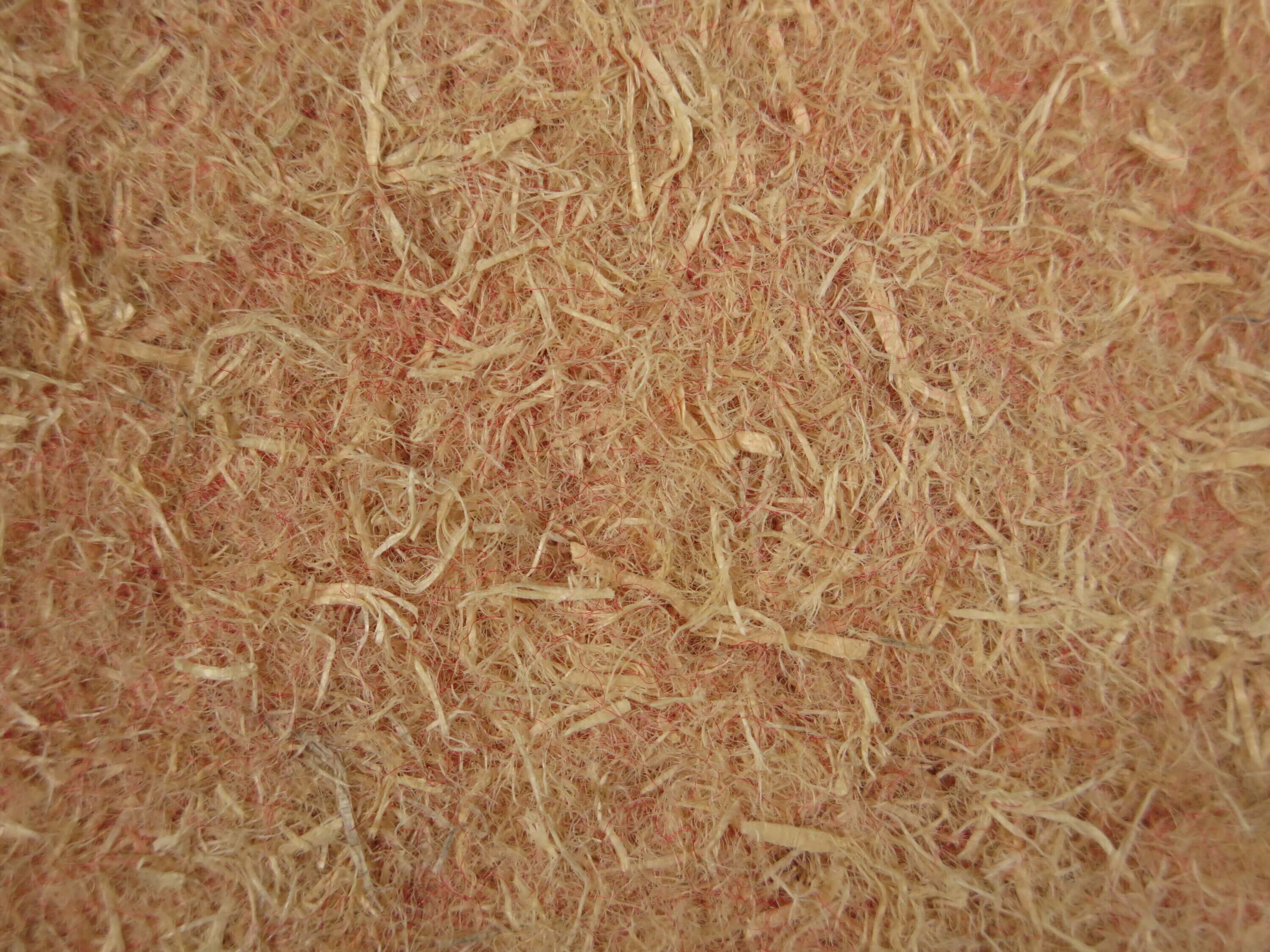
As part of the CelluWoodFlex project, the German Institutes of Textile- and Fiber-Research in Denkendorf (DITF) are developing bio-based cellulose ester fibers as alternative binding fibers for flexible wood fiber insulation materials. In addition to the spinning process and the production of suitable staple fibers, the institute is also investigating how wood and cellulose fibers can be separated and recycled at the end of their useful life.
How can flexible wood fiber insulation materials be produced sustainably and recycled at the end of their useful life? The “CelluWoodFlex” research project is addressing this question. In this collaborative project, DITF are taking on key roles related to the production and processing of cellulose ester fibers. Initial work has already been successfully completed.
The project focuses on thermoplastic binding fibers based on cellulose esters. In the future, these are intended to replace fossil-based plastic fibers, which are currently often used to bind wood fibers in flexible insulation mats. This bio-based approach opens up new possibilities for reducing the use of fossil raw materials and improving the material recycling of these products after their use.
From the Spinning Process to the Finished Staple Fiber
DITF are working to establish the spinning process for thermoplastic cellulose ester fibers. In this process, the raw materials are processed into fine fibers intended for use as binding fibers. Another step in the process is cutting the fibers to specific lengths. This produces staple fibers, which are then blended with wood fibers at the project partner IHD (Institut für Holzfasern Dresden gGmbH). The goal is to achieve the most uniform distribution possible of the binding fibers so that they can reliably fulfill their function in the resulting insulation material.
The first project steps at DITF have already been completed. The research team at the Competence Center for Biopolymer Materials has developed and successfully implemented the spinning process for fibers made from the cellulose ester “cellulose acetate propionate” (CAP). The fibers were processed into staple fibers and dyed. The work carried out so far thus lays an important foundation for the further development and processing of these bio-based binding fibers.
Making Recycling a Priority from the Start
In addition to fiber production, the focus is also on the end of the product life cycle. The DITF research team is investigating ways to separate wood and cellulose fibers from one another after they have been used together. The goal is to enable the separated components to be recycled as raw materials. This means that, even during the development of the binding fibers, consideration is given to how the materials can later be recovered and reused.
As the project progresses, the findings will be incorporated into the processing of the fibers and the assessment of their recyclability. Together with the other project partners, the goal is to lay the foundation for flexible wood fiber insulation materials that use bio-based binding fibers and open up new prospects for improved circularity.
The IGF research project “CelluWoodFlex” is funded by the Federal Ministry for Economic Affairs and Energy pursuant to a resolution of the “German Bundestag”. Funding ID: 01IF25128N