CONTACT

Head of Testing Laboratory Polymers,Textile Chemistry and Chemical Fibers
Deputy Head of of Competence Center Textile Chemistry, Application & Environmental Technology
Sustainable, recyclable, compostable
Biopolymer Innovation Award for a new artificial leather design
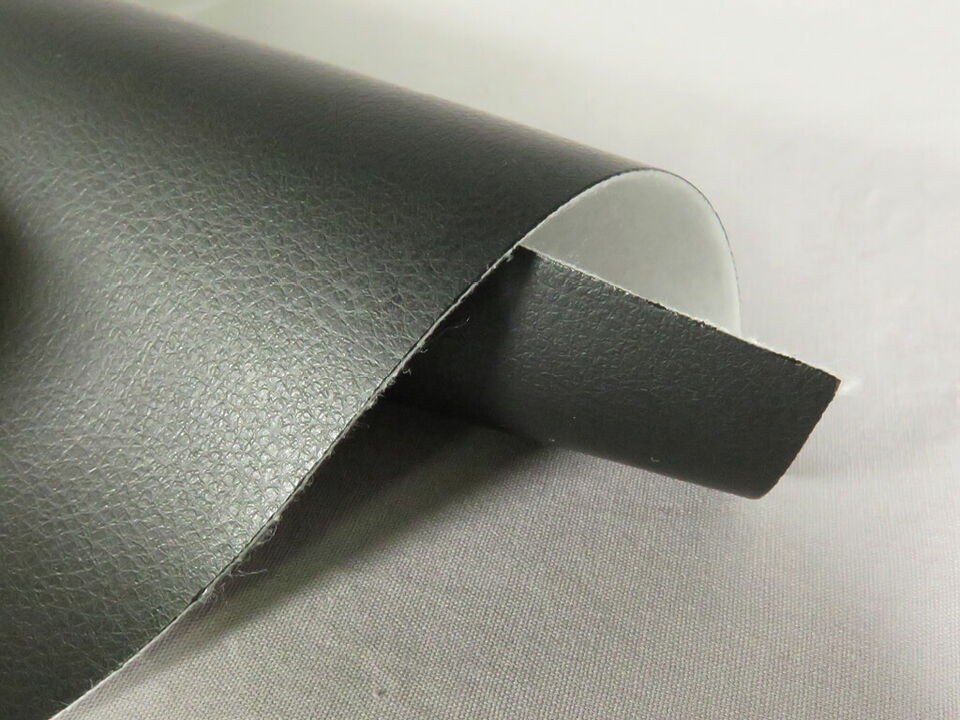
Fiber- or textile-reinforced composite materials are usually constructed from different components. Artificial leather is a good example of this. Many types of artificial leather consist of a textile backing, often polyethylene terephthalate, polyamide, or cotton, and a coating of polyurethane, polyvinyl chloride, or silicone. This material diversity between the textile backing and the polymer coating makes recycling difficult, if not impossible. In line with sustainable product design principles, a team of researchers at DITF Denkendorf, in cooperation with the FILK Freiberg Institute, has succeeded in developing an artificial leather that consists essentially of one single component, namely the bio-based aliphatic polyester poly(butylene succinate) (PBS). The main challenges were to realize a melt spinning process for PBS, to manufacture the PBS textile substrate in the form of woven and nonwoven fabrics, and then, above all, to adapt the subsequent coating of the textile substrate via melt extrusion of PBS. Numerous process optimizations were necessary to ultimately obtain artificial leather with satisfactory performance and handle. The final PBS synthetic leather products are characterized by their recyclability, which is made possible by simple remelting. In addition, in the event of an end-of-life scenario, the compostability of the biologically degradable PBS is an important ecological criterion. The development was awarded the Biopolymer Innovation Award 2025 (1st prize).
The basic principle of a single-component structure is currently being further developed with a view to transferring it to other interesting textile composites. In a BMBF project, for example, attempts are being made to design so-called bellows, which are used as connecting elements in public transport vehicles such as trains or buses, as a single-component composite. The requirements are set high here. Only by selecting a polymer compound with an optimal composition and through sophisticated process optimizations will it be possible to achieve the required flame-retardant and mechanical properties of the composites.